Computer Vision+AI Training
Developing a Camera
That Can Capture What Cannot Be Seen
Image Information ProcessingPerceptual Information ProcessingComputer VisionComputational Photography
Safely Visualizing Internal Information of the Human Body at Low Cost
I have consistently worked in image and video information processing, including computer vision. When people hear “image information processing*,” many may think of analyzing or processing image data. My focus, however, is innovation in how we capture images.
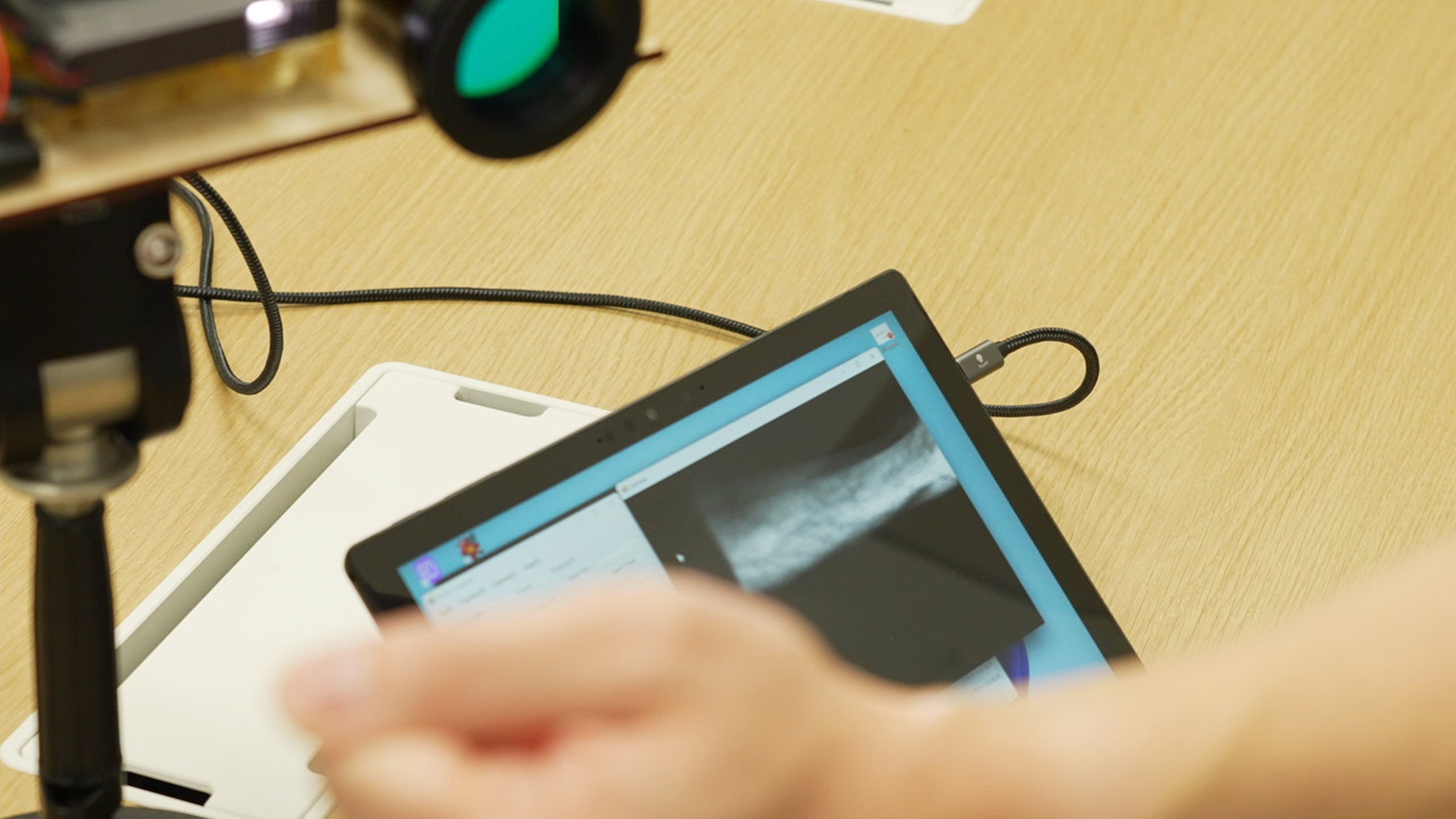
One outcome is a technique that enables real-time observation of blood vessels hidden beneath the skin. Normally, blood vessels under the skin cannot be seen with ordinary imaging, but by controlling a projector (illumination) and a camera, we can selectively capture only the light that passes through blood vessels and returns.
Because this approach involves no radiation risk like X-rays and does not require large, expensive equipment like MRI, it can be used not only in medical settings but also at home and in disaster areas. Furthermore, by training AI on the resulting data, it is expected to be used as a diagnostic tool that detects changes in blood-vessel shape.
Tips
Image Information Processing
Techniques for extracting useful information from images by correcting and transforming them and by extracting features. They form the foundation for a wide range of fields, including medical imaging, inspection, and computer vision.
Visualizing the Identity of a White Liquid That Even AI Struggles to Distinguish
With conventional imaging methods, it was not possible to capture internal information of a subject (such as subcutaneous blood vessels). Ordinary cameras record light reflected from the surface of an object, so what we obtain is essentially surface information.
For example, even if an AI is shown an image of a white liquid in a cup, it cannot tell whether it is milk, liquid soap, or toothpaste dissolved in water. Even with AI, identifying a material or internal structure from surface information alone is difficult.
However, the way light is transmitted and scattered differs depending on a material’s internal properties. This makes it possible to visualize what the white liquid actually is, based on the light that passes through it and returns.
If we can capture differences in components and internal structures with high precision, it should become possible to sort—even between whole milk and low-fat milk—based on appearance, contributing to better quality control on production lines.
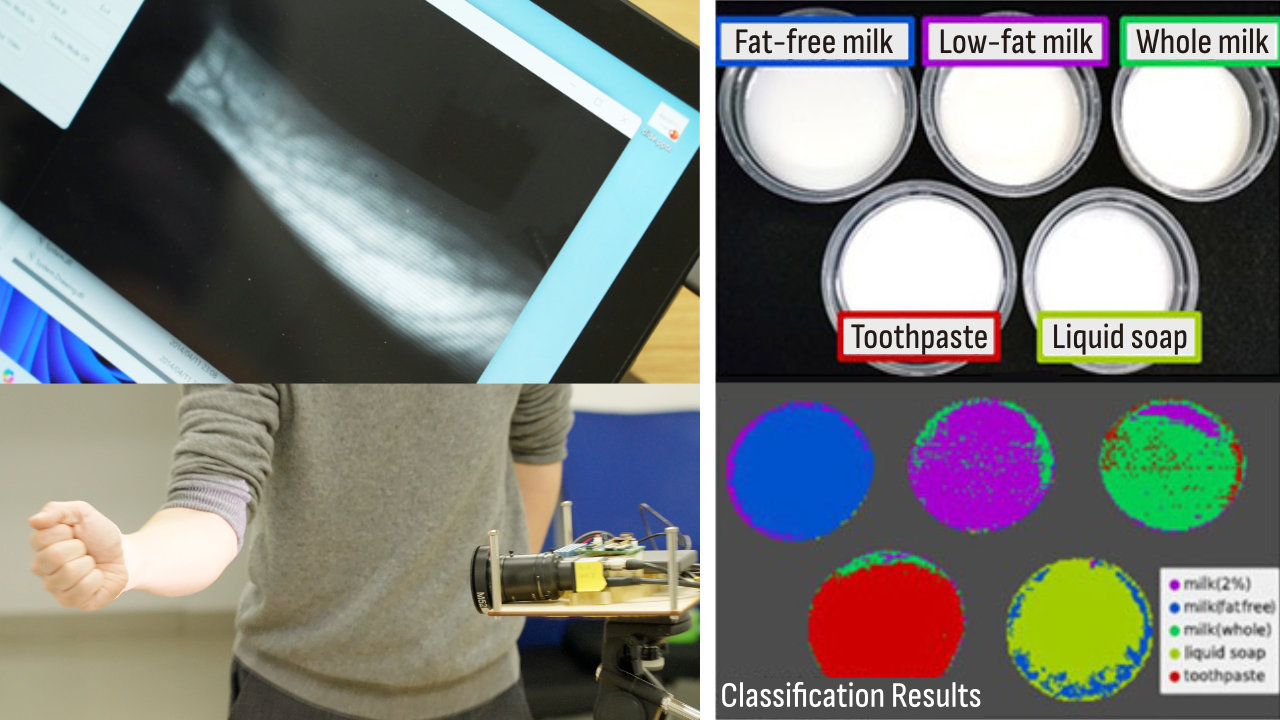
By projecting light onto the subject and capturing the reflected light from a unique angle, the system selectively extracts only the light reflected from blood vessels and converts it into an image. As a result, blood vessels that are invisible to the naked eye become clearly visible (left). It can also distinguish the composition of “white liquids” that the human eye cannot tell apart (right).
What Is the Relationship Between Humans and AI in Anime Production?
Also within computer vision, we are conducting joint research with an anime production company on “improving the efficiency of anime production workflows using AI.” The production process is complex, and a great deal of effort goes into coloring line art.
We tried to streamline this step by preparing tens of thousands of completed colored images and training an AI on them, but the AI did not reliably choose the desired colors. Even if it colors correctly 99% of the time, mistakes in the remaining 1% become a critical issue in actual production.
We therefore shifted to an approach that improves efficiency through collaboration. By having AI, which excels in speed, and humans, who excel in precision, each contribute their strengths to the coloring step, substantial time savings can be achieved.
Some argue that AI will take away human jobs, and there may be aspects of that. However, this case also makes it clear that AI is not always correct—and that there are many things only humans can do. Based on that recognition, I believe society will increasingly need ways for humans and AI to complement each other to achieve both high accuracy and efficiency.
Profile
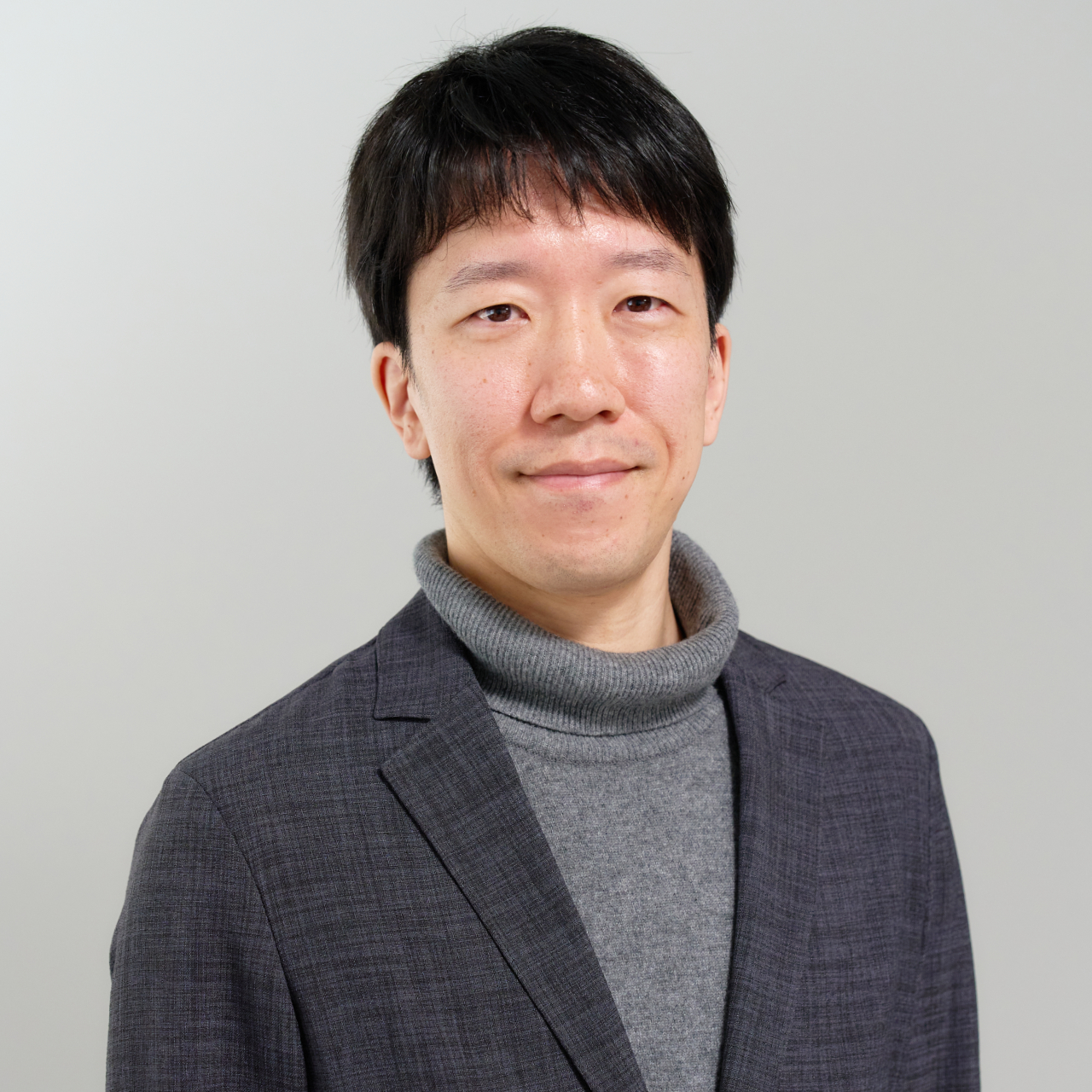
Assoc. Prof. Hiroyuki KUBO
Associate Professor, Faculty of Informatics / Graduate School of Informatics, Chiba University. He received a Ph.D. (Engineering) from Waseda University in 2012. After working at Canon Inc., serving at the Nara Institute of Science and Technology, and holding positions such as a Visiting Researcher at the Carnegie Mellon University Robotics Institute and a Specially Appointed Lecturer at Tokai University, he joined Chiba University in 2022.

View Another Research
Improving AI Accuracy and Nurturing It into a Trustworthy Partner
Assoc. Prof. Hiroshi KERA
Developing a Camera That Can Capture What Cannot Be Seen
Assoc. Prof. Hiroyuki KUBO
Eliminating Damage from Torrential Rain Through Meteorological Data Science!
Prof. Shunji KOTSUKI
Using Human Data to Support Longer, Healthier Lives
Prof. Ryoko KATAGIRI
How Far Will AI Evolve in Distinguishing Dogs from Cats?
Prof. Kazuhiko KAWAMOTO
Aiming for a New Information and Communication Society with Energy and Environmental Issues in Mind!
Prof. Hiroo SEKIYA